The Heritage Carriages Project
The West Somerset Railway is a magnificent recreation of a Great Western Railway branch line. Fine GWR locomotives haul passengers in comfort through splendid scenery between delightful and varied GWR stations. Attractive and historic GWR signalling allows for ordinary services and exciting gala events. The WSR is now properly connected to the national railway network. And yet there is a gap.
The Railway’s carriages are exclusively British Railways carriages from the 1950s and 1960s. These are appropriate for the very end of steam trains in the UK but somewhat utilitarian and not at all “GWR” in character.
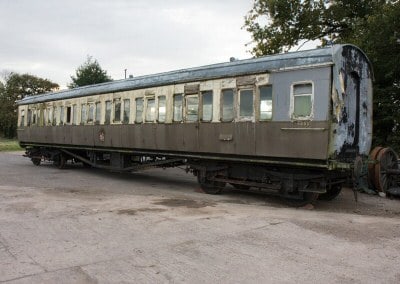
There are ten coaches in the WSRHT’s collection. Apart from the Sleeping Car, which is on display at the Gauge Museum, Bishops Lydeard, these are located at the Trust’s new engineering centre at Washford.
The WSR fleet, all located at Washford comprises:
The Toplight coaches
These were the first ‘standard’ fleet of coaches built by Churchward for the Great Western between 1907 and 1922, with large windows and smaller hammered glass top lights above. They cost around £1500 to construct and lasted until replaced by BR Mark I coaches between 1954 and 1960, when a number found use as camp coaches or departmental vehicles.
BCK 7538 Built 1907, with first, second and third class compartments as well as brake van. originally gas lit. ‘American’ bogies. Converted to departmental vehicle DW 150020.
TK 3639: Built 1908, converted to ambulance coach 1916 and deployed in France. Restored to passenger coach in 1921. Used in Dunkirk evacuation trains 1940. Converted to camping coach 9887 in 1957.
CK 7740 Built 1911, converted to mess & tool van DW 317 in 1955, and latterly staff training coach at Minehead.
TK 2578 Built 1914, with ‘American’ bogies. Converted to camp coach 9889 in 1957 and kept at Marazion, St Agnes. Latterly used as office and store at Minehead.
TK 3631 Built 1908, converted to camp coach 9880 in 1958 and latterly an accommodation coach on Dart Valley Railway.
TK 3665 Built 1909, converted to camp coach 9886 in 1957 possibly at Dawlish Warren. Latterly volunteer accommodation on Dart Valley.
The Collett Coaches
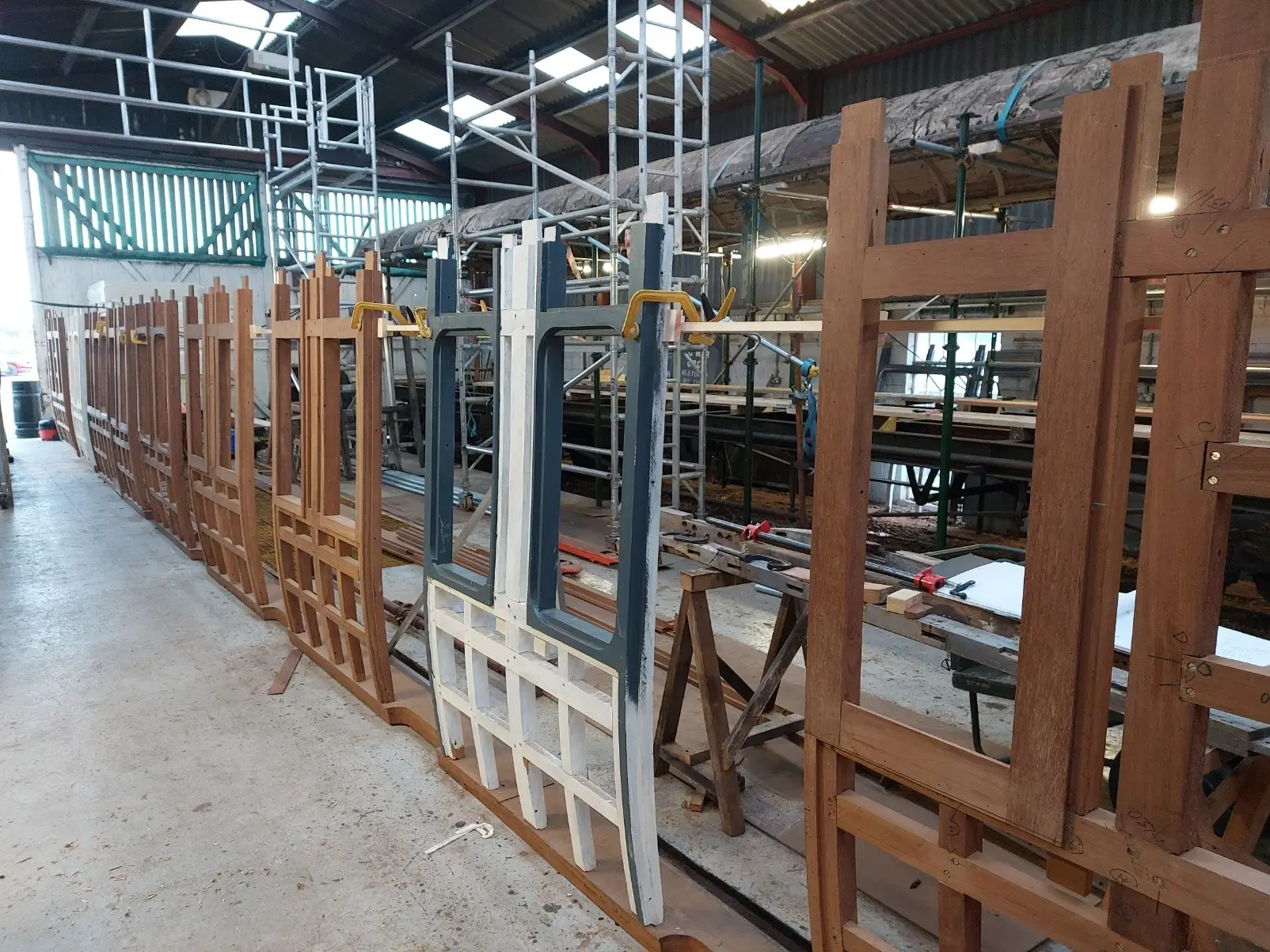
These are all wooden bodied vehicles with galvanised steel sheet external panels and steel roof panels. They cost around £3,600 to construct. They were used on express trains and particularly West Country holiday relief trains in the 1950s. All had been withdrawn by 1967.
The Trust’s Collett coaches are:
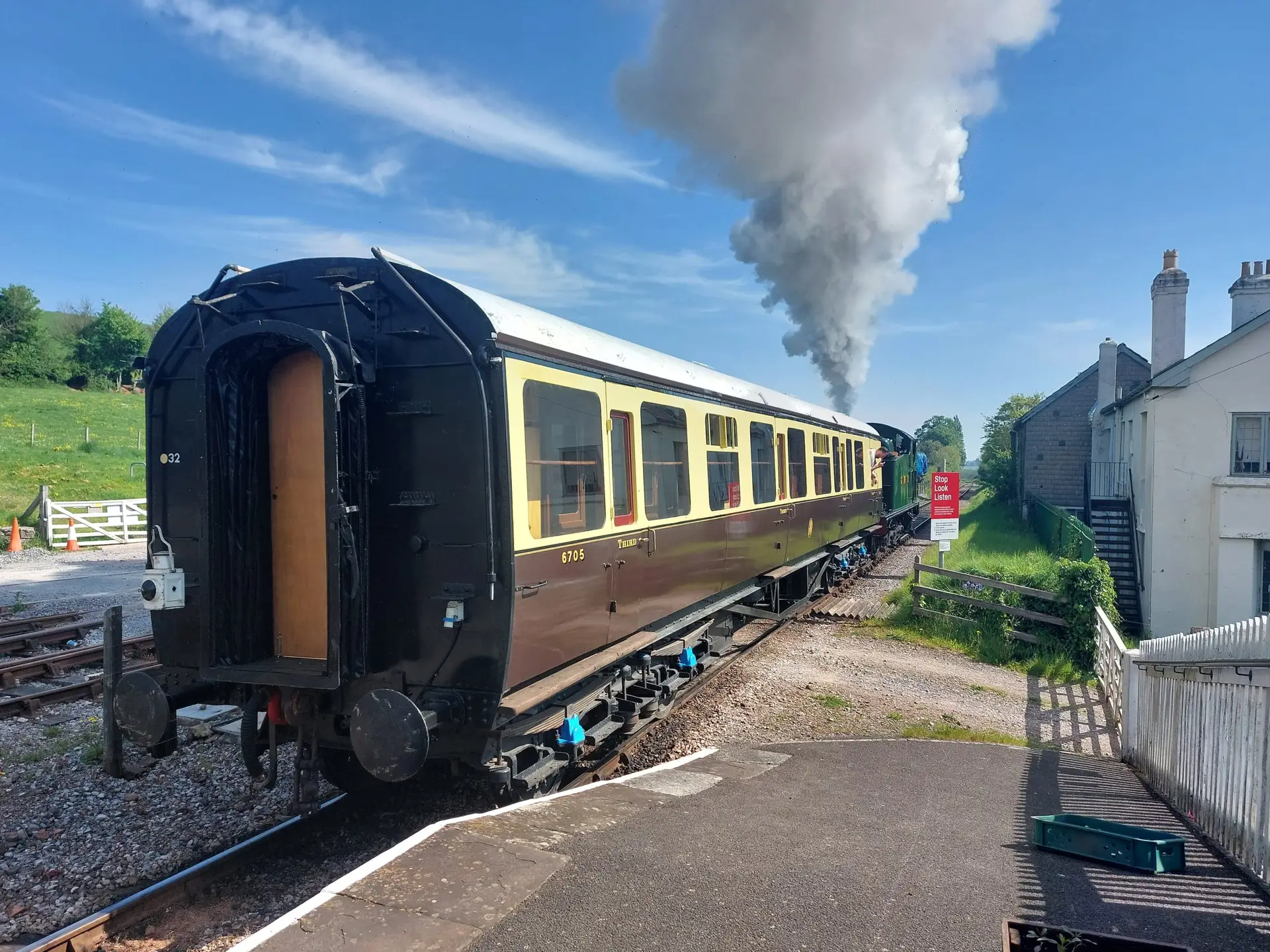
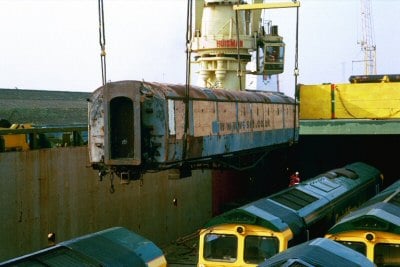
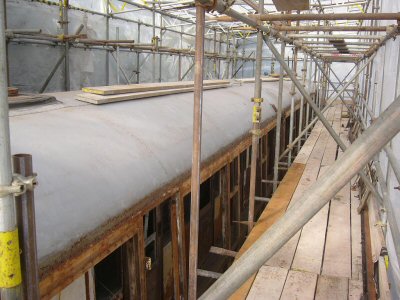
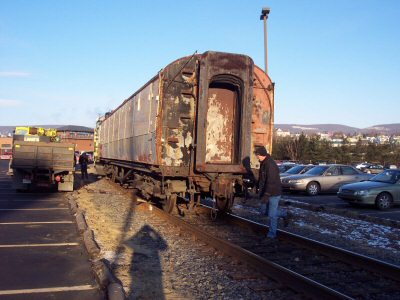
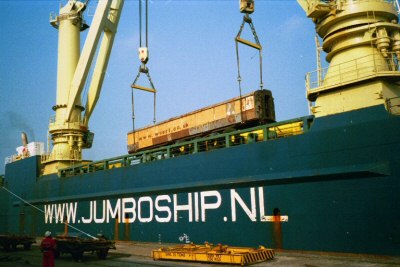
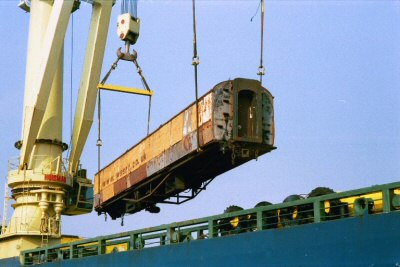
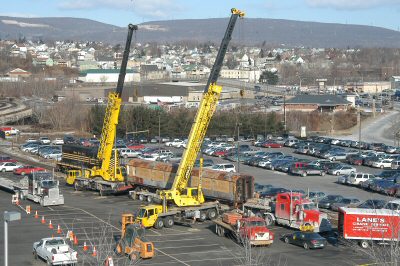
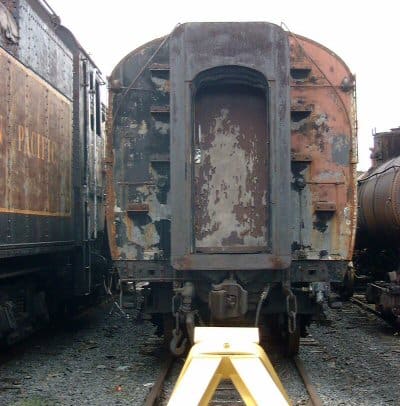
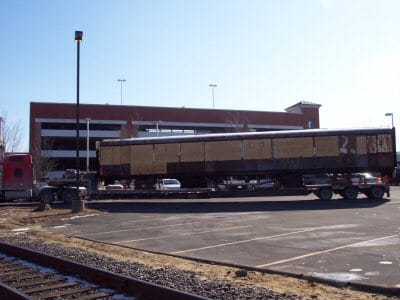
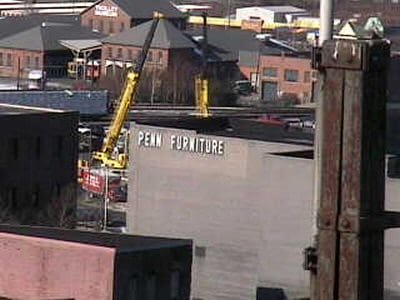
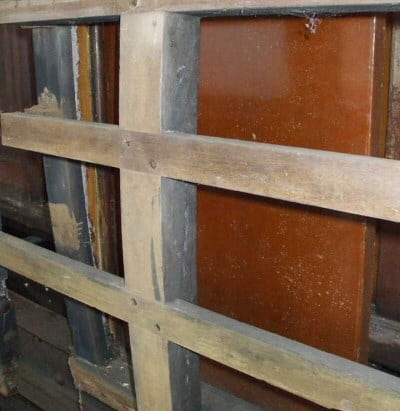
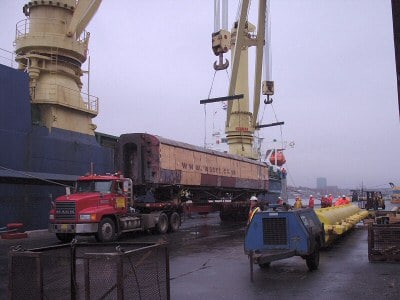
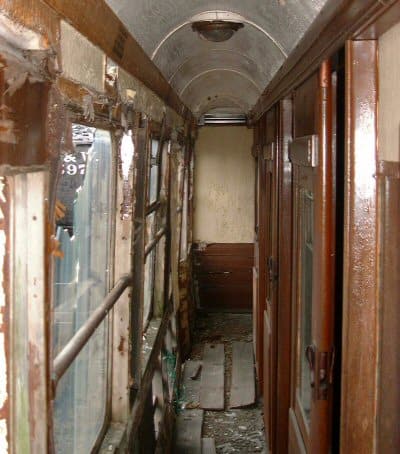
BCK 6705: Built 1938. Withdrawn by BR, sold to private owner in Vermont USA and latterly kept at Scranton, Pennsylvania. Repatriated in 2007 and bodywork partly restored at Crewe. Restoration completed at Washford in May 2025.
TK 5856: Built 1935. Converted for use in Western Region Control Train. Used as static tearoom at Tintern station, and moved to WSR in 2009.
TK 4546: Built 1925. ‘Bow ended’ coach. . ‘Bow ended’ coach. Became departmental vehicle DW 150205.
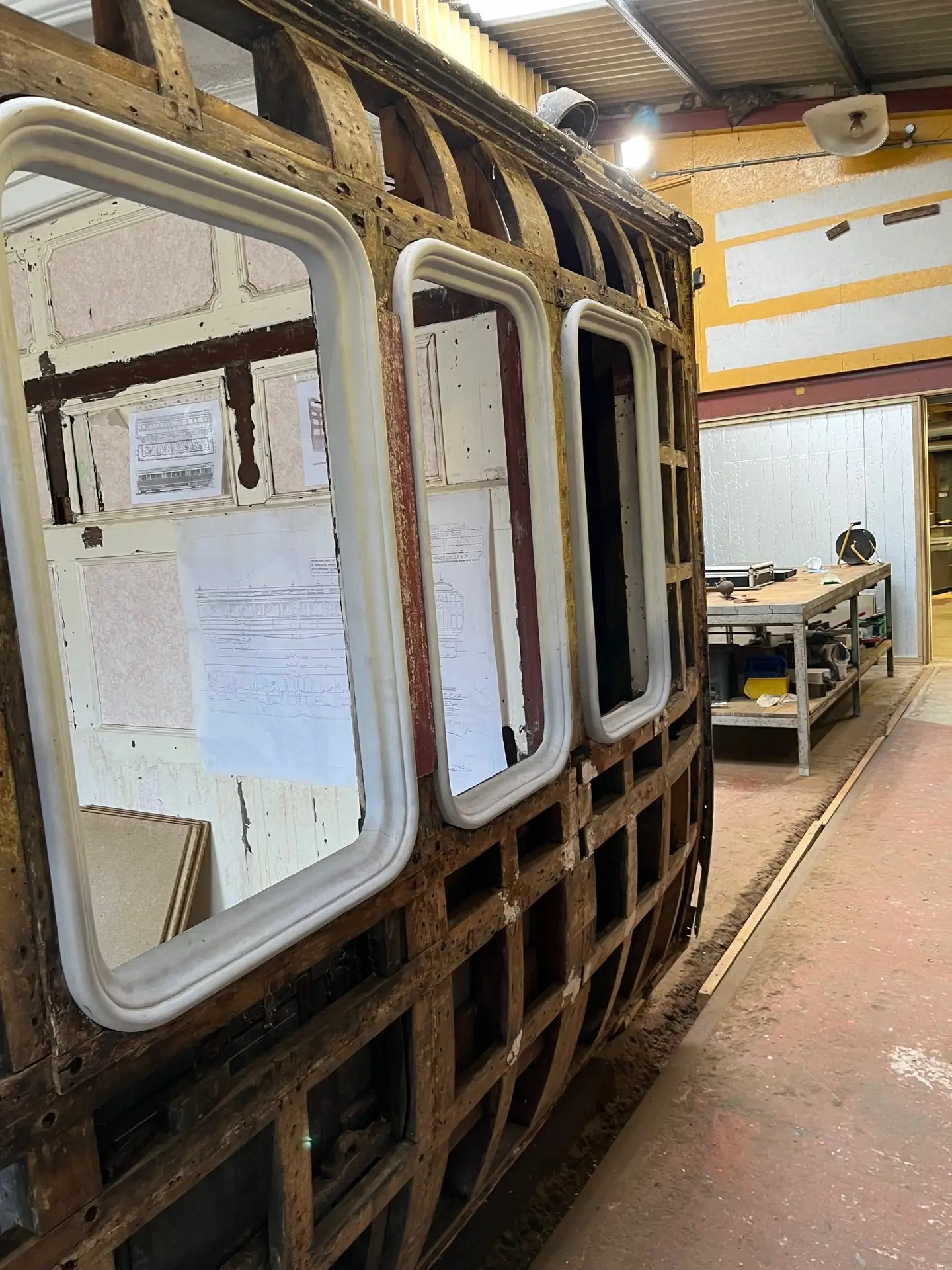
We also have a section of Victorian Sleeping car 9037 – a companion carriage to 9038 which is in the Gauge Museum. This section of 9037, used within a house until 2022, will be restored to illustrate the carriage construction of the era, and serve as a museum exhibit.

Gallery
Restoration activity started in 1985 with the acquisition of the 1896 Victorian sleeping car, 9038 a 20 year project completed 2006.
1938 Collett Brake Corridor Composite 6705 acquired in 2007. Restoration largely completed by 2019.
Pictures of coaches in the collection below.
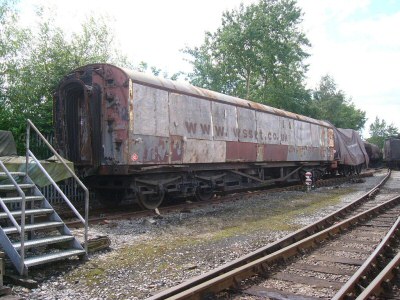
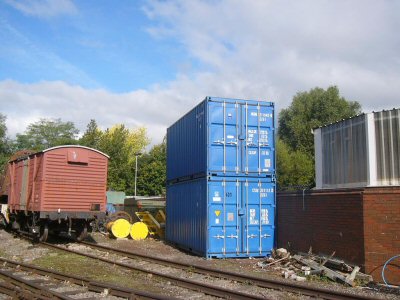
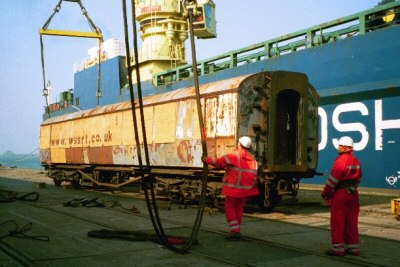
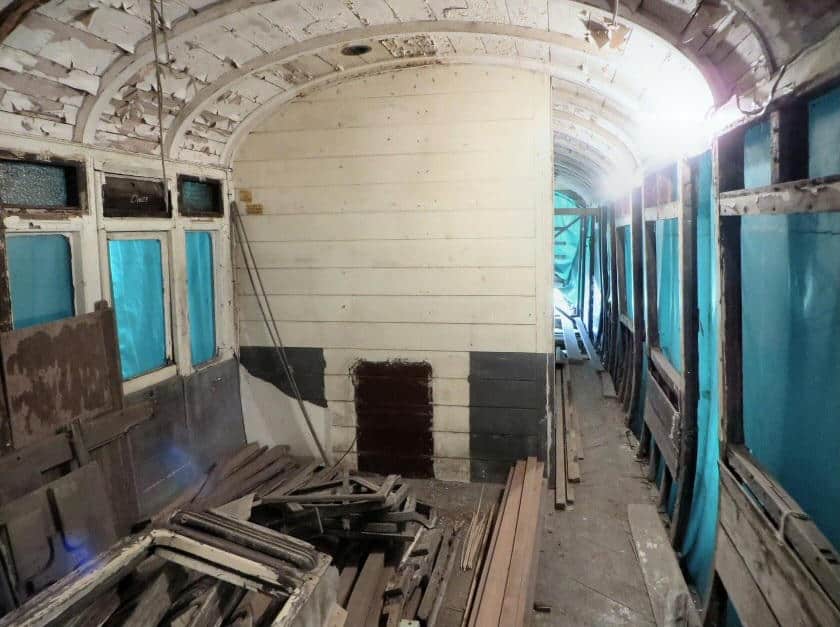
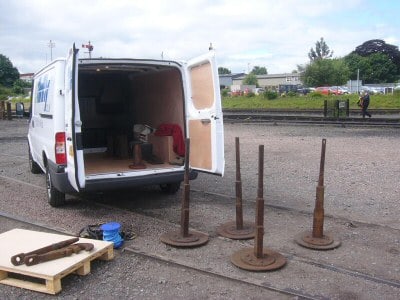
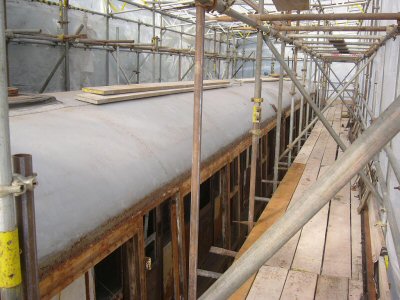
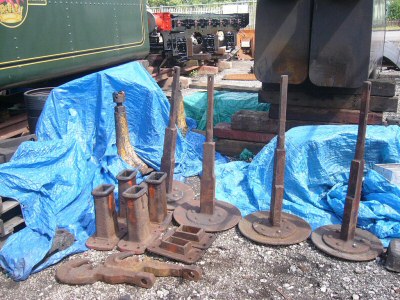
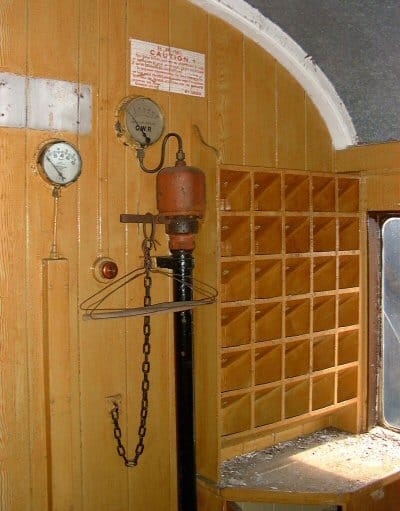
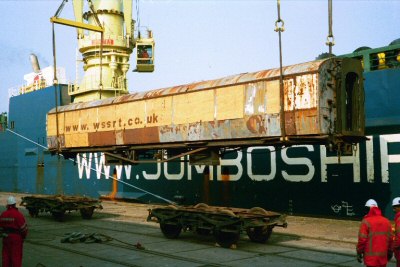
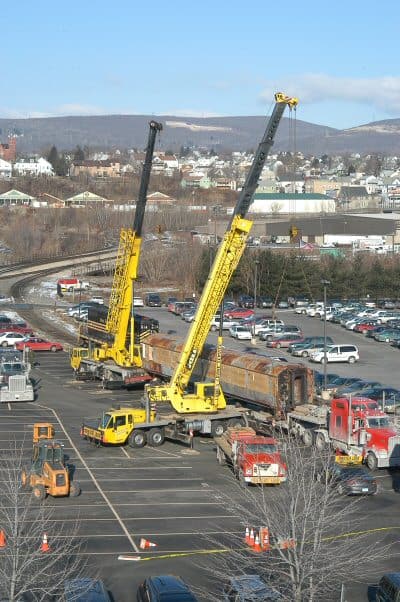
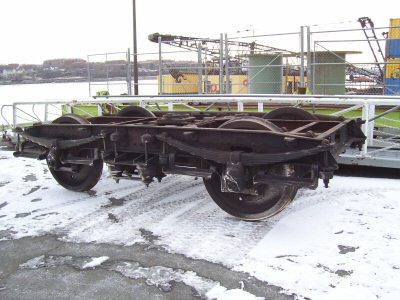
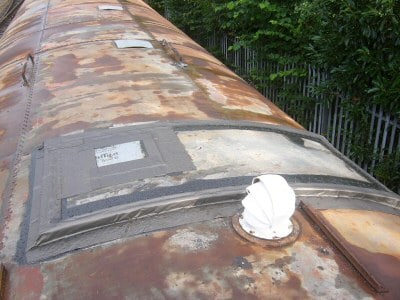
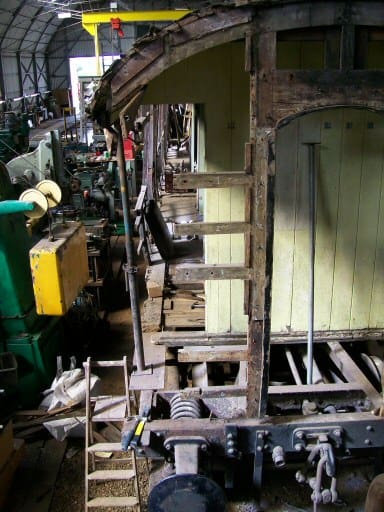
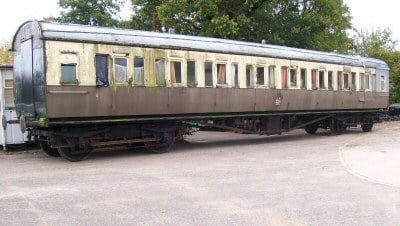
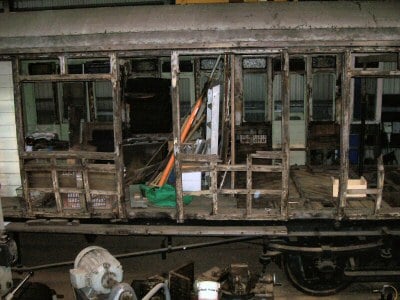
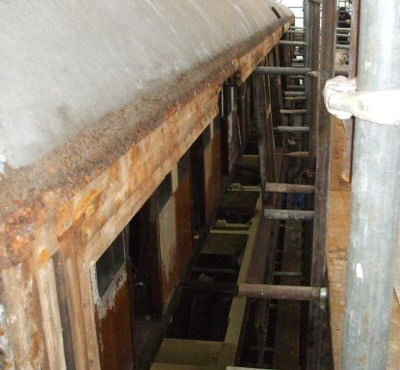
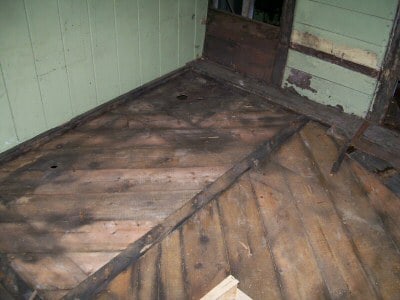
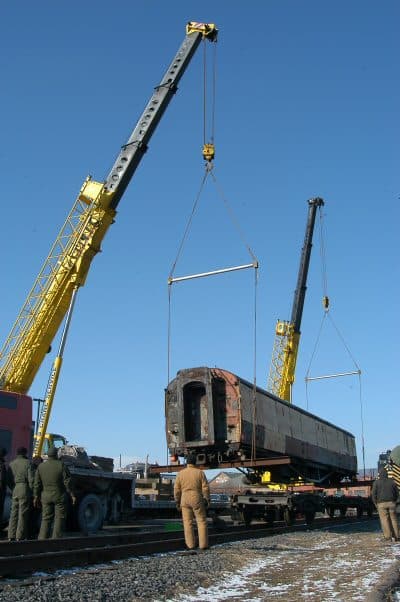
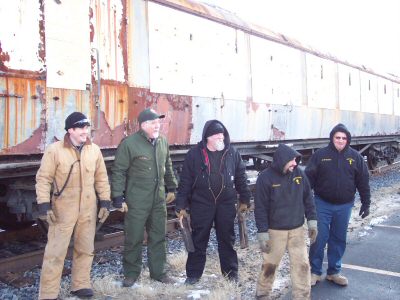
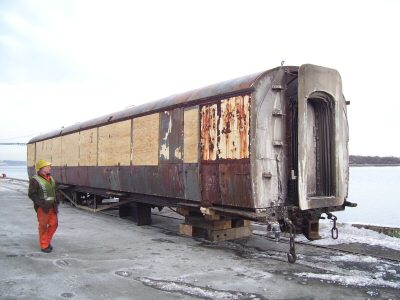
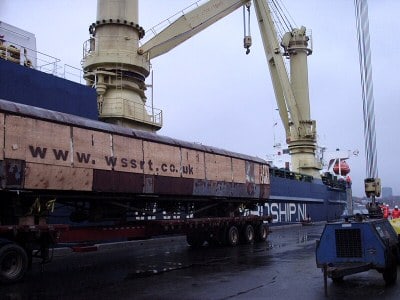
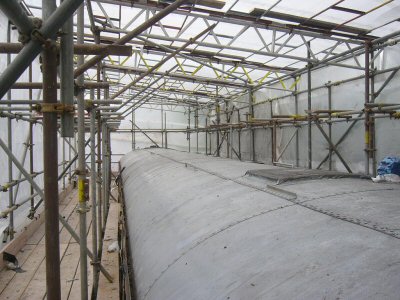
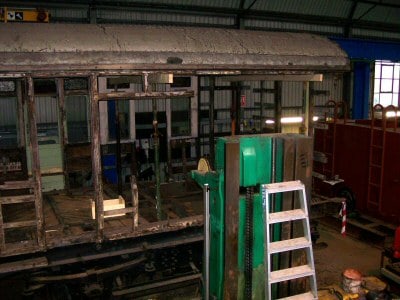
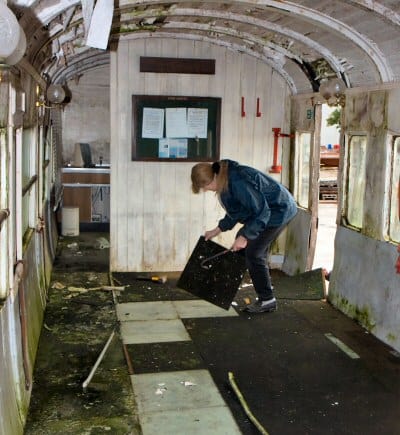
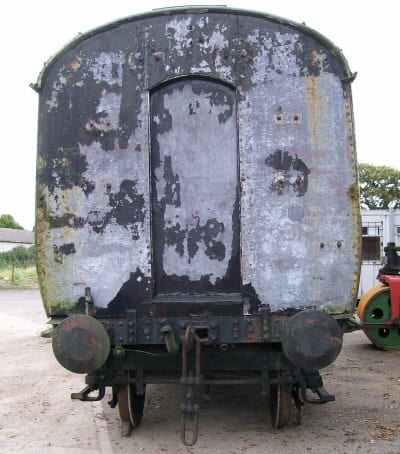
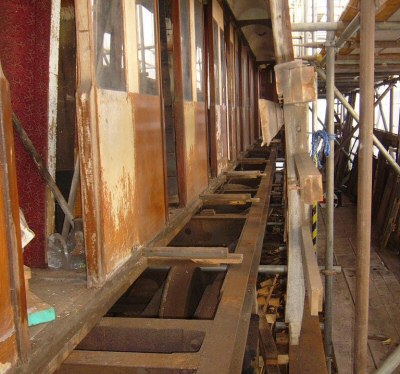
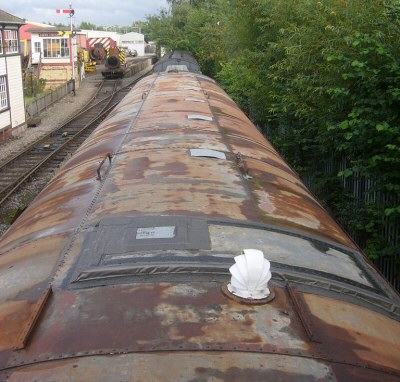
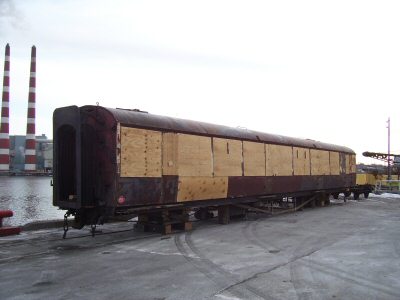
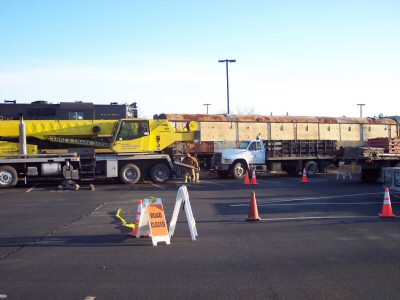
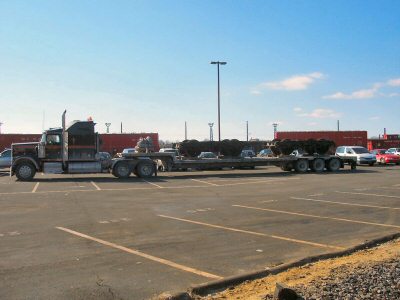
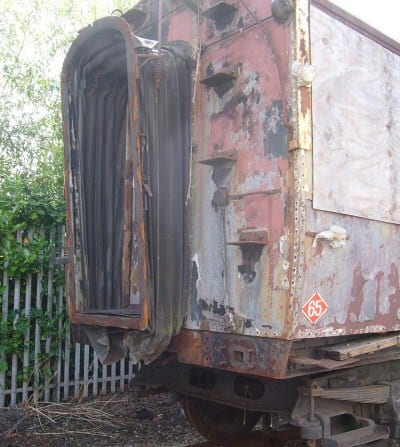
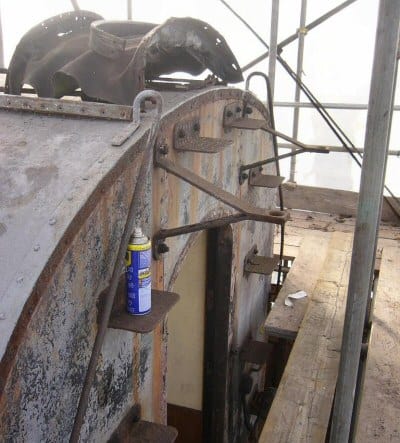
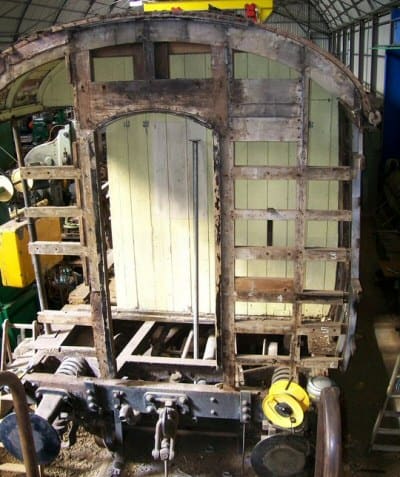
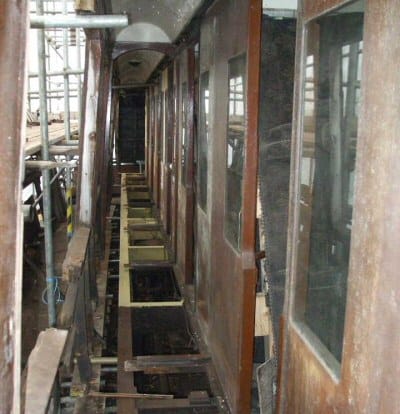
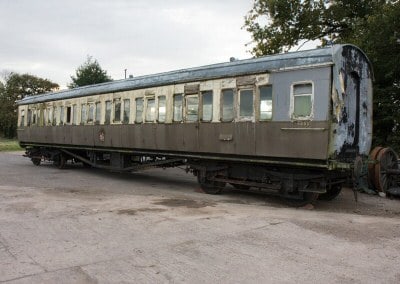
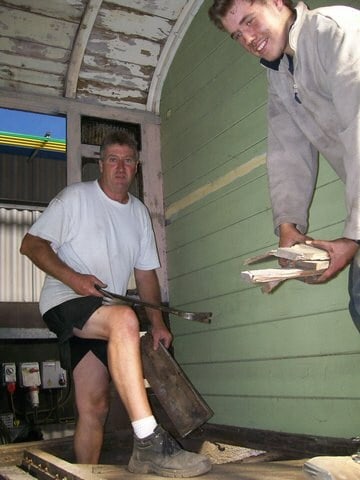
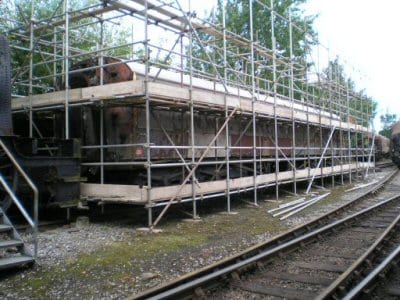
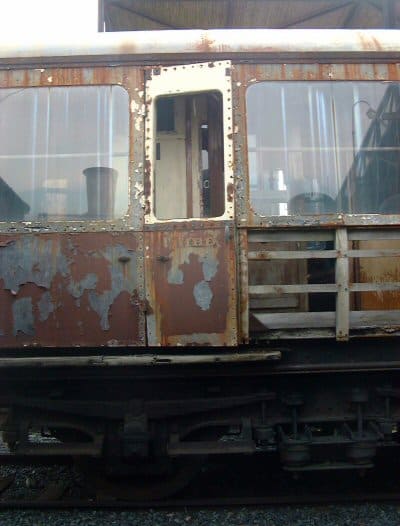
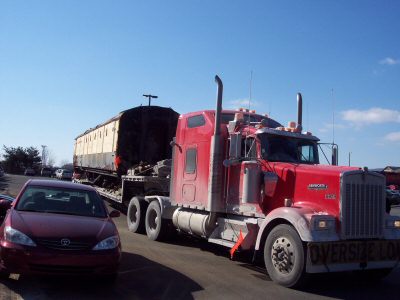
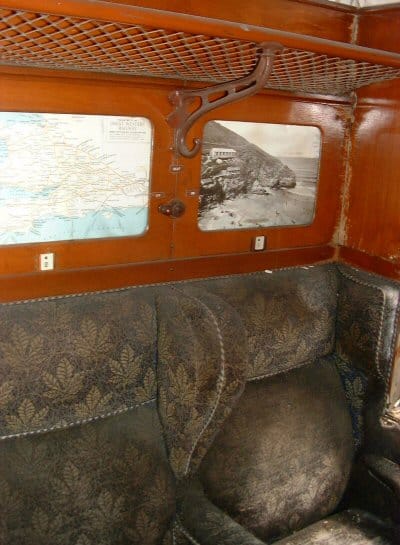
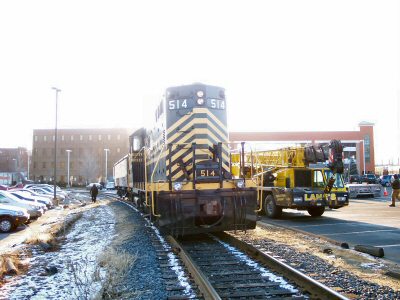
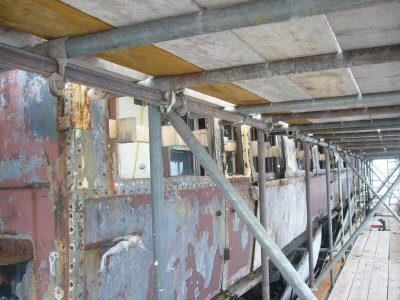
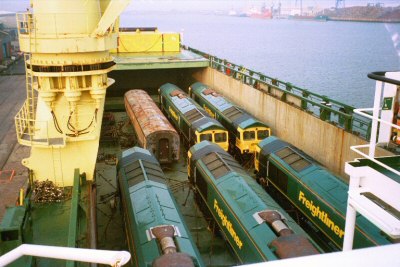
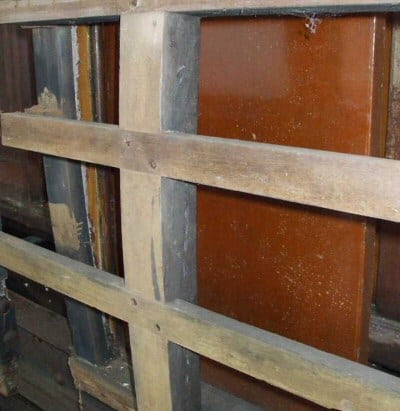
- No 6705 in 2009
- No 6705 in 2008
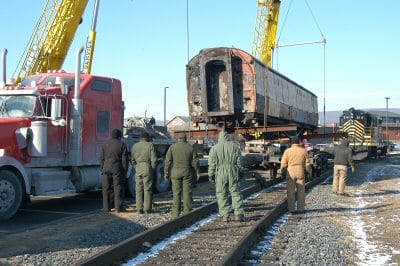
- move of No 6705 from USA to Britain
- Pictures of No 3631
- Pictures of No 3639
- Pictures of No 5131
- No 6705 in 2010
- No 6705 in 2011
- No 6705 in 2012
- No 6705 in 2013
- No 6705 in 2018-2019
- No 6705 in 2020
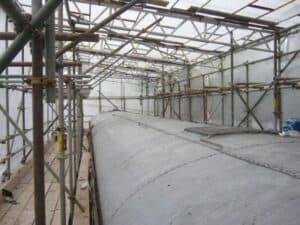
No 6705 in 2009
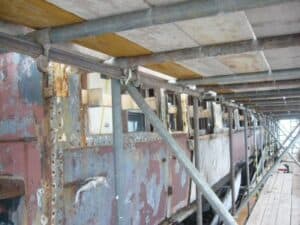
No 6705 in 2009